Get a recommendation
Tell us your requirements and our advisors will help you compare and shortlist the best-fit options, free and unbiased.
A real human, fast
Someone on our team replies within one business day, no bots, no ticket queue.
Routed to the right team
Buying, selling, partnering, or investing, you reach the people who can actually help.
Independent & unbiased
No pushy sales. Just honest guidance grounded in the ecosystem.
Tailored to your context
Tell us what you need and we shape the next steps around it.
Who are you? Pick the option that fits best.
22 Listings in Research Agents Available
What is Elicit? Elicit is a literature review AI agent offering an AI research assistant that finds, summarizes and extracts data from academic papers. Founded in 2022 and based in Oakland, California, USA, Elicit helps researchers and R&D teams automate literature review work and get results faster. Key capabilities of Elicit Paper search Systematic review workflows Data extraction tables Research reports Cited answers Export to reference managers How Elicit works Elicit takes text and documents as input and produces text and tables. It combines large language models with task-specific AI, with the vendor managing prompts, models and updates. It connects to tools such as Zotero, Mendeley, Google Scholar and PubMed, so the agent works inside existing workflows. Who uses Elicit? Elicit is built for researchers and R&D teams. It suits teams that want paper search and systematic review workflows without adding headcount, while keeping people in control of review and final decisions. Elicit vs Consensus Elicit is often compared with Consensus. Elicit stands out for paper search and data extraction tables. The right choice depends on your workflow, integrations and budget, so compare both on a real task.
Capabilities
Deployment
Compliance
What is SciSpace? SciSpace is a paper reading AI agent offering an AI research workspace to search, read, explain and write with scientific papers. Founded in 2015 and based in San Francisco, California, USA, SciSpace helps students and researchers automate paper reading work and get results faster. Key capabilities of SciSpace Paper search Copilot explanations Literature review tables AI writer Cited answers Export to reference managers How SciSpace works SciSpace takes documents and text as input and produces text. It combines large language models with task-specific AI, with the vendor managing prompts, models and updates. It connects to tools such as Zotero, Mendeley, Google Scholar and PubMed, so the agent works inside existing workflows. Who uses SciSpace? SciSpace is built for students and researchers. It suits teams that want paper search and Copilot explanations without adding headcount, while keeping people in control of review and final decisions. SciSpace vs Elicit SciSpace is often compared with Elicit. SciSpace stands out for paper search and literature review tables. The right choice depends on your workflow, integrations and budget, so compare both on a real task.
Deployment
Compliance
Saaskart Market Grid™
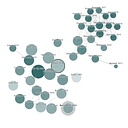
Explore how leading Research Agents solutions compare based on customer satisfaction, market presence, adoption, and buyer feedback. The Market Grid helps you identify category leaders, high-performing solutions, and emerging products within the Research Agents ecosystem.
Category Leader

Scite
#1 in Research Agents
Best Value Research Agents
Connected Papers
From $6/mo
Trending
Scite
Most viewed
Market Insights
Derived from live Saaskart marketplace data, engagement, reviews, and pricing for this category.
Live Rankings
What is You.com? You.com is a search AI agent offering an AI search and research platform with research agents and enterprise APIs. Founded in 2020 and based in Palo Alto, California, USA, You.com helps professionals and enterprises automate search work and get results faster. Key capabilities of You.com AI search with citations Research agents Model choice Web search APIs Cited answers Export to reference managers How You.com works You.com takes text and files as input and produces text. It is powered by Multiple LLMs (selectable) models, with the vendor managing prompts, models and updates. It connects to tools such as Zotero, Mendeley, Google Scholar and PubMed, so the agent works inside existing workflows. Who uses You.com? You.com is built for professionals and enterprises. It suits teams that want AI search with citations and research agents without adding headcount, while keeping people in control of review and final decisions. You.com vs Perplexity You.com is often compared with Perplexity. You.com stands out for AI search with citations and model choice. The right choice depends on your workflow, integrations and budget, so compare both on a real task.
Deployment
Compliance
What is Humata? Humata is a document Q&A AI agent offering an AI tool that answers questions about long PDFs and documents with cited passages. Founded in 2023 and based in San Francisco, California, USA, Humata helps researchers, students and analysts automate document Q&A work and get results faster. Key capabilities of Humata PDF question answering Cited answers Document summaries Team workspaces Source citations Export to reference managers How Humata works Humata takes documents and text as input and produces text. It is powered by OpenAI models, with the vendor managing prompts, models and updates. It connects to tools such as Zotero, Mendeley, Google Scholar and PubMed, so the agent works inside existing workflows. Who uses Humata? Humata is built for researchers, students and analysts. It suits teams that want PDF question answering and cited answers without adding headcount, while keeping people in control of review and final decisions. Humata vs ChatPDF Humata is often compared with ChatPDF. Humata stands out for PDF question answering and document summaries. The right choice depends on your workflow, integrations and budget, so compare both on a real task.
Deployment
Compliance
What is Undermind? Undermind is a deep literature search AI agent offering an AI research agent that searches the scientific literature deeply for complex questions. Undermind helps scientists and researchers automate deep literature search work and get results faster. Key capabilities of Undermind Deep iterative search Relevance classification Research reports Coverage estimates Cited answers Export to reference managers How Undermind works Undermind takes text as input and produces text and citations. It combines large language models with task-specific AI, with the vendor managing prompts, models and updates. It connects to tools such as Zotero, Mendeley, Google Scholar and PubMed, so the agent works inside existing workflows. Who uses Undermind? Undermind is built for scientists and researchers. It suits teams that want deep iterative search and relevance classification without adding headcount, while keeping people in control of review and final decisions. Undermind vs Elicit Undermind is often compared with Elicit. Undermind stands out for deep iterative search and research reports. The right choice depends on your workflow, integrations and budget, so compare both on a real task.
Capabilities
Deployment
Compliance
What is Wokelo? Wokelo is an investment research AI agent offering an AI research agent that produces company, industry and due diligence reports. Founded in 2022 and based in Seattle, Washington, USA, Wokelo helps investment banks, PE and consulting firms automate investment research work and get results faster. Key capabilities of Wokelo Company profiles Industry research Due diligence reports Peer benchmarking Source-linked answers Report generation How Wokelo works Wokelo takes text and documents as input and produces documents and text. It combines large language models with task-specific AI, with the vendor managing prompts, models and updates. It connects to tools such as Slack, Microsoft 365, Google Drive and Salesforce, so the agent works inside existing workflows. Who uses Wokelo? Wokelo is built for investment banks, PE and consulting firms. It suits teams that want company profiles and industry research without adding headcount, while keeping people in control of review and final decisions. Wokelo vs AlphaSense Wokelo is often compared with AlphaSense. Wokelo stands out for company profiles and due diligence reports. The right choice depends on your workflow, integrations and budget, so compare both on a real task.
Deployment
Compliance
What is Parallel? Parallel is a web research AI agent offering web search and deep research APIs built for AI agents that need accurate, cited information. Founded in 2023 and based in Palo Alto, California, USA, Parallel helps developers building AI agents automate web research work and get results faster. Key capabilities of Parallel Deep research API Web search API Structured extraction Citations and confidence Source-linked answers Report generation How Parallel works Parallel takes text and URL as input and produces JSON and text. It combines large language models with task-specific AI, with the vendor managing prompts, models and updates. It connects to tools such as Slack, Microsoft 365, Google Drive and Salesforce, so the agent works inside existing workflows. Who uses Parallel? Parallel is built for developers building AI agents. It suits teams that want deep research API and web search API without adding headcount, while keeping people in control of review and final decisions. Parallel vs Exa Parallel is often compared with Exa. Parallel stands out for deep research API and structured extraction. The right choice depends on your workflow, integrations and budget, so compare both on a real task.
Deployment
Compliance
What is Paper Digest? Paper Digest is a paper summaries and discovery AI agent offering an AI research platform that summarizes papers, tracks topics and helps write literature reviews. Paper Digest helps researchers automate paper summaries and discovery work and get results faster. Key capabilities of Paper Digest Paper summaries Topic tracking Literature review drafting Conference digests Source-cited answers Reference manager export How Paper Digest works Paper Digest takes text and scientific literature as input and produces text. It combines large language models with task-specific AI, with the vendor managing prompts, models and updates. It connects to tools such as Zotero, Mendeley, PubMed and arXiv, so the agent works inside existing workflows. Who uses Paper Digest? Paper Digest is built for researchers. It suits teams that want paper summaries and topic tracking without adding headcount, while keeping people in control of review and final decisions. Paper Digest vs Semantic Scholar Paper Digest is often compared with Semantic Scholar. Paper Digest stands out for paper summaries and literature review drafting. The right choice depends on your workflow, integrations and budget, so compare both on a real task.
Deployment
Compliance
What is Genspark? Genspark is an agentic search AI agent offering an AI agent engine that researches topics and produces Sparkpages, slides, sheets and calls. Founded in 2023 and based in Palo Alto, California, USA, Genspark helps knowledge workers and researchers automate agentic search work and get results faster. Key capabilities of Genspark Sparkpages AI slides and sheets Deep research Phone call agent Cited answers Export to reference managers How Genspark works Genspark takes text as input and produces web pages, documents and slides. It is powered by Multiple LLMs (managed) models, with the vendor managing prompts, models and updates. It connects to tools such as Zotero, Mendeley, Google Scholar and PubMed, so the agent works inside existing workflows. Who uses Genspark? Genspark is built for knowledge workers and researchers. It suits teams that want Sparkpages and AI slides and sheets without adding headcount, while keeping people in control of review and final decisions. Genspark vs Manus Genspark is often compared with Manus. Genspark stands out for Sparkpages and deep research. The right choice depends on your workflow, integrations and budget, so compare both on a real task.
Deployment
Compliance
What is Anara? Anara is an AI study and research workspace AI agent offering an AI workspace (formerly Unriddle) for reading, writing and researching with your sources. Anara helps students and researchers automate AI study and research workspace work and get results faster. Key capabilities of Anara Source-grounded chat AI writing with citations PDF and video reading Flashcards Source-cited answers Reference manager export How Anara works Anara takes documents, video and text as input and produces text. It combines large language models with task-specific AI, with the vendor managing prompts, models and updates. It connects to tools such as Zotero, Mendeley, PubMed and arXiv, so the agent works inside existing workflows. Who uses Anara? Anara is built for students and researchers. It suits teams that want source-grounded chat and AI writing with citations without adding headcount, while keeping people in control of review and final decisions. Anara vs Jenni AI Anara is often compared with Jenni AI. Anara stands out for source-grounded chat and PDF and video reading. The right choice depends on your workflow, integrations and budget, so compare both on a real task.
Deployment
Compliance
AI research agents gather, analyze, and synthesize information across the web and documents, producing cited reports and answers to complex questions far faster than manual research. This guide explains what research agents are, how they work, what matters, and how to choose one.
AI research agents gather, analyze, and synthesize information across the web and documents, producing cited reports and answers to complex questions far faster than manual research. This guide explains what research agents are, how they work, what matters, and how to choose one.
AI research agents are autonomous or semi-autonomous tools that plan a research task, search across web sources and documents, read and evaluate findings, and synthesize a structured, cited answer or report.
They are used for market and competitive research, due diligence, literature review, analyst work, and answering complex questions that require gathering and reasoning over many sources.
Distinct from a single search query, research agents perform multi-step investigation, decomposing a question, iterating across sources, and citing evidence. Buyers weigh source coverage and quality, citation and accuracy, depth of reasoning, and data privacy.
Given a research question, the agent plans sub-questions, searches across the web and connected documents, reads and extracts relevant evidence, and synthesizes findings into a cited report, often iterating to fill gaps.
Platforms combine an LLM, web search and document retrieval, multi-step planning/agent loops, and citation tracking, with guardrails against hallucination and controls over sources.
Users pose a question, optionally connect their own documents and set scope, then review the agent's cited output, verifying sources and refining the query as needed.
Decompose a complex question into sub-questions and investigate each systematically.
Search across the web and your connected documents to gather relevant evidence.
Produce structured, readable reports that summarize and connect findings.
Cite sources for claims so users can verify accuracy and follow up.
Connect your documents and constrain sources for focused, trusted research.
Export reports and integrate findings into docs and workflows.
Compress hours or days of gathering and synthesis into minutes.
Investigate more sources than manual research practically allows.
Get organized, cited reports ready to review and use.
Spend time evaluating findings instead of collecting them.
Run consistent research processes across topics and time.
| Type | Best for | Ideal size | Pros | Limitations |
|---|---|---|---|---|
| General research agents | Web research and reports | Any | Fast, broad, cited | Verify sources and accuracy |
| Document/knowledge research | Research over your documents | Mid-market to enterprise | Grounded in trusted content | Setup and connectors |
| Domain research tools | Market, legal, scientific research | Any | Domain depth and sources | Narrower scope |
| Embedded research assistants | Research inside other tools | Any | In-context, no switching | Depth varies |
Technology: Technology teams use AI research agents to run market and competitive research, due diligence, and literature review, gathering and synthesizing many sources into cited reports while keeping humans to verify and decide.
Healthcare: Healthcare teams use AI research agents to run market and competitive research, due diligence, and literature review, gathering and synthesizing many sources into cited reports while keeping humans to verify and decide.
Financial Services: Financial Services teams use AI research agents to run market and competitive research, due diligence, and literature review, gathering and synthesizing many sources into cited reports while keeping humans to verify and decide.
Retail & E-commerce: Retail & E-commerce teams use AI research agents to run market and competitive research, due diligence, and literature review, gathering and synthesizing many sources into cited reports while keeping humans to verify and decide.
Education: Education teams use AI research agents to run market and competitive research, due diligence, and literature review, gathering and synthesizing many sources into cited reports while keeping humans to verify and decide.
Professional Services: Professional Services teams use AI research agents to run market and competitive research, due diligence, and literature review, gathering and synthesizing many sources into cited reports while keeping humans to verify and decide.
Manufacturing: Manufacturing teams use AI research agents to run market and competitive research, due diligence, and literature review, gathering and synthesizing many sources into cited reports while keeping humans to verify and decide.
Media: Media teams use AI research agents to run market and competitive research, due diligence, and literature review, gathering and synthesizing many sources into cited reports while keeping humans to verify and decide.
Assess which sources the agent searches and whether they're relevant and trustworthy for your domain.
Verify claims are cited and accurate; test on questions where you know the answer.
Evaluate how well the agent decomposes and investigates complex questions, not just summarizes.
Confirm you can connect your own documents and constrain scope for trusted research.
Check whether your queries and documents are used to train shared models.
Understand usage or seat pricing and how it scales with research volume.
Research agents are getting better at deep, multi-step investigation with transparent reasoning and citations.
Grounding in trusted, current sources and your own documents is improving reliability.
Agents are integrating into analyst and knowledge workflows to produce ready-to-use deliverables.
Buyers should prioritize source quality, citation accuracy, reasoning depth, and data privacy.
An AI research agent is a tool that autonomously plans and carries out a research task, decomposing a complex question, searching across the web and documents, reading and evaluating sources, and synthesizing a structured, cited report or answer. Unlike a single search query, it performs multi-step investigation and citing, used for market research, due diligence, literature review, and analyst work.
They accelerate research dramatically but can hallucinate facts or misattribute citations, so treat output as a fast, reviewable draft rather than ground truth. Choose agents that cite sources you can verify, ground answers in trustworthy or your own documents, and let you check claims. Test on questions where you know the answer before relying on it.
A search engine returns links and a chatbot answers from a single pass. A research agent performs multi-step work: it plans sub-questions, searches and reads many sources iteratively, and synthesizes a cited report. This makes it suited to complex questions that require gathering and reasoning over lots of information rather than a quick lookup.
Many can connect to your documents and knowledge sources so research is grounded in trusted, internal content, and you can constrain scope for focused investigation. This improves reliability and relevance. Confirm the connectors you need and how your documents are secured before connecting sensitive material.
It depends on the vendor. Check whether your queries and connected documents are used to train shared models, where data is processed, and what retention and security policies apply. For sensitive research, look for no-training guarantees and enterprise data controls.
They excel at gathering and synthesizing information at scale, market and competitive analysis, due diligence, literature and background review, and answering complex multi-source questions. They're weakest where sources are sparse or unreliable, or where nuanced judgment is required, so pair them with human verification and expertise.
Common models are usage-based (per research run or tokens) or per-seat subscriptions, sometimes within a broader AI assistant or platform. Estimate your research volume and depth needs, and weigh source coverage and data privacy alongside cost.
Prioritize source coverage and quality for your domain, citation accuracy and anti-hallucination safeguards, depth of multi-step reasoning, the ability to connect your own documents, data privacy, and pricing. Test on real research questions and verify the cited output before relying on it.